Restaurant Social Media Marketing: A Booking-Focused Plan

JAMIE ALEXANDER
Director - Partner
8 min read
/
October 24, 2026
Blog Thimble Image

I spent 11 years running kitchens and venues before I started Tableside. I have stood on a floor at 7pm on a Tuesday with four tables in, three chefs on and a feed full of food photos that were getting plenty of likes. Nobody was booking. That is the gap this article is about.

Restaurant social media marketing is not a posting schedule. It is giving the right people a real reason to come in, putting that reason in front of them, and making the next step obvious. Most venues skip the first part entirely and wonder why the other two never happen.

The question I ask every owner we work with is not “what should we post?” It is “what needs to change in the business?” More midweek covers. Bigger group bookings. A lunch trade that actually pays the lunch roster. Past guests who come back without being chased. Once you can say the problem out loud, the social plan more or less writes itself.

Start with the trading problem, not the content format

A reel, a carousel or a hero shot of the signature dish is not a strategy. It is a format. Start the month by picking one commercial problem that social needs to help fix.

If your Wednesdays are dead, you need a reason for people to leave work and come to you instead of going home. If you have just opened, locals need to understand the room, the menu and the people before they will trust you with a Saturday night. If weekends are packed but nobody comes back for a second visit, the problem is not awareness and no amount of new content will fix it.

The problem changes the content. A post about a new cocktail is noise. A 20-second video that makes Friday knock-offs at your place feel like the obvious call, shown to people who live and work within 5km, with a booking link one tap away, has a job. That is the difference.

Before you plan a single post, write down four things:

  1. The service, audience or behaviour that needs to move.
  2. The reason a guest would pick you this week, not in general.
  3. The exact action you want them to take after seeing it.
  4. The number that will tell you whether it worked.

If you cannot answer all four, you are not ready to shoot anything yet. That is the start of a restaurant social media strategy. Everything else is downstream.

Give every piece of content a job

Most restaurant feeds get boring because every post is asked to do the same thing: make the venue look nice. Pretty is not a job. In our work, every piece of content gets one of four roles across the month.

1. Give people a reason to visit

This is the reason someone chooses you this week. A new menu, a long lunch, a Thursday night event, a Sunday roast, a seasonal dish, an after-work ritual. You do not need to manufacture urgency every day. You need to make a real part of your venue easy to choose.

2. Prove what the experience feels like

Guests are not just deciding whether the food looks good. They are deciding whether your room is right for a date, a catch-up, a work lunch or a table of twelve. Show the service, the pace, the noise, the people, the feeling of a good night. Real guest moments and your team on camera beat polished anonymous imagery every time. I would rather have a slightly shaky phone video of a full room than a studio shot of an empty one.

3. Make the venue human

A chef explaining why a dish is on the menu, a bartender building a drink, a familiar face on the floor. These do more than another product shot because they give people something to recognise and talk about before they walk in. They are also the one thing the venue down the road cannot copy.

Chef Ramesh at Times Berwick, photographed for Tableside

4. Give past guests a reason to return

Not every post should chase strangers. Some of the most valuable work keeps people who already know you warm: a menu change, an upcoming event, a reason to bring friends, a reminder of the night they had last time. A regular is usually far cheaper to retain than a new guest is to acquire. Treat them like it.

A good content calendar has all four jobs in it. It does not need a new gimmick every day.

Organic and paid social should do different work

Organic is where you keep your current audience close. Regulars see what is on, staff and guests have something to share, and you build a library of content that actually represents the business.

Paid is where you give the right content reach. It introduces the venue to people in your catchment who do not follow you, brings back people who engaged with you before, and backs a specific push: an event, a menu launch, a quiet service.

The mistake I see constantly is treating paid as a boost button. Someone picks the post that got the most likes, puts $50 behind it and hopes. Paid works when it starts with a clear message, a defined audience and a landing page or booking path that answers the same question as the ad.

Say the campaign is built around a midweek set menu. The creative has to make that night feel appealing, the audience has to be people who can realistically get to you on a Wednesday, and the click has to land on the booking or menu page for that exact offer. If any one of those is off, you are paying for attention that has nowhere to go. I have watched venues spend thousands this way and conclude that “ads don’t work for us”. The ads were fine. The plumbing was broken.

For more on how we run the paid layer, see how Tableside approaches Meta advertising for hospitality venues.

Build a four-week restaurant social media plan

You do not need a 90-day content strategy. You need one month done properly, then another one that is slightly better. Here is how we structure it.

Week one: get clear on the reason to visit

Sit down with the venue team and look at the month ahead. Which services need help? What occasions are worth talking about? What is genuinely new or useful? Then pick up your phone and try to book a table through your own Instagram profile. If it takes more than three taps, or the menu is a PDF from last winter, fix that before you make any content. More posts on top of a broken booking path is just a bigger leak.

Week two: make the work

Plan one focused shoot around the stories you picked. Get the food, but do not stop there. Get the room, the team, the guests, the service, the small details that make the place yours. Write the paid and organic versions of the message on the same day so the campaign is not something you cobble together at 11pm on a Sunday.

Week three: publish, distribute and send people somewhere

Schedule the organic content, then put spend behind the pieces with a clear job. Keep the action simple: book a table, see the menu, enquire about the function room, join the list. One next step beats five competing links every time.

Week four: learn from the response

Review it with the venue, with the numbers open. Which messages drove booking clicks or enquiries? Which creative held attention? Which service, audience or offer did nothing? Keep what worked, bin what did not, and make next month sharper. A good plan improves because it is reviewed against real behaviour, not because it produced more posts.

Measure the movement toward a booking

Followers and likes are context. They are not the result. If I am paying a marketing team or an agency, I want to see whether social is moving people closer to a visit, and I want it in a form I could show my accountant.

What that looks like depends on your systems, but a monthly review should cover booking-link clicks, enquiries, ticket sales where relevant, traffic to the pages that matter, cost per meaningful action on paid, local reach, how video is holding attention, and the growth of audiences you can reach again.

If your booking platform or POS lets you, look at repeat visits too. A restaurant that can turn a first visit into a second has built something worth more than one that pays to find new people every month.

The point of the report is not the numbers. It is knowing what to do next. Reaching the right people but booking clicks are weak? Look at the message and the path after the click. Plenty of attention but no local response? Look at the audience and the reason to visit. People book once and do not come back? That is a guest experience and follow-up problem, and the next post will not fix it. Sometimes the honest answer from a marketing review is that the issue is on the floor, not on the feed.

What this looks like in practice

At Ellora St Kilda, the venue was better than its online presence suggested. We put the people and the personality of the place front and centre and tightened the story a guest sees before they book. The owner has the venue up about 40% year on year.

At Times Berwick, the owners came to us with a proper suburban steakhouse that was not getting the midweek trade it deserved. We shot new creative that actually looked like the venue, rebuilt the website around it, and ran campaigns around a midweek offer. From January to September 2026, compared with the same period in 2025, bookings are up 17%, covers up 14%, spend per head has moved from about $60 to $75, and the campaigns have driven 338 directly attributed bookings at around $28 each. Estimated revenue is up roughly 42%.

Guests toasting cocktails at Ellora St Kilda, photographed for Tableside

The details change venue to venue. The principle does not. Social works when the content, the audience, the offer and the next step all point at the same decision.

When a restaurant needs more than a content calendar

A good in-house person can run this if they have a clear story, reliable content, a sensible distribution budget and the time to actually review what is working. Plenty do.

Where we get called in is when those pieces have come apart: the venue is posting without a reason, there is no fresh creative, money is going into Meta without anyone knowing what it drives, or nobody has connected the content to the bookings. Usually the owner knows something is off. They just cannot see which part.

Tableside’s hospitality social media agency service brings strategy, venue content, paid creative and measurement into one system run by people who have worked in venues. If the problem is bigger than social, see the Restaurant Marketing Agency page or start a conversation.

Restaurant social media questions

How often should a restaurant post on social media?

As often as you can make something worth posting. For most venues that is a few strong feed posts a week plus regular stories. Daily content with nothing to say trains people to scroll past you. Start with the trading calendar and let that set the rhythm.

Should a restaurant use paid social media advertising?

Yes, if you have a clear audience, a real reason to visit and a simple next step. If you do not, fix those first. Organic keeps current guests warm. Paid is how the right people who do not follow you yet find you and act.

What should a restaurant measure on social media?

The things closest to a booking: booking clicks, enquiries, ticket sales, qualified website visits and cost per meaningful action. Followers and likes are context, not the headline.

Can social media actually lead to restaurant bookings?

It can, and we see it monthly. But only when the content is tied to a real guest decision: a reason to visit, content that makes it tangible, local distribution, and a booking path that works on a phone.

Make the content do a job

If your venue is better than its Instagram, the problem is rarely a lack of posts. It is that nobody has given the content a commercial job. Book a 20-minute growth call and we will tell you, straight, what social should be doing for your venue next.

FAQ

Frequently Asked Questions

Faq Arrow Icon
Who do you work with?

We work exclusively with hospitality venues and groups doing $3M-$1OM in revenue. Whether you're running a single high-performing venue or scaling multiple locations, we're built for operators who need serious marketing results, not just pretty posts

Faq Arrow Icon
How is Tableside different from hiring a marketing manager?

You don't get one person trying to do everything. You get a full team of strategists, content creators, photographers, videographers, and ad specialists who've actually run venues. Agency firepower with operator instincts.

Faq Arrow Icon
What's included in the Hospo Growth Engine?

Brand strategy, professional photo and video content, social media management, paid advertising, email and SMS campaigns, and monthly reporting tied to real revenue. Every campaign is built around our SEAT System, designed to fill seats and increase spend per head.

Faq Arrow Icon
How quickly will I see results?

Most venues see measurable improvements within 30 to 60 days. We move fast because we don't need to learn your industry from scratch. The biggest wins compound over time as your brand, content, and paid campaigns build momentum.

Faq Arrow Icon
Do you only work with Melbourne venues?

No. We work with venues across Australia. We have a national Creative Network of photographers and videographers on the ground, with strategy, ads, and account management handled by our core team.

Faq Arrow Icon
What if I already have someone doing my marketing?

A lot of venues come to us because what they've been doing isn't moving the needle. We'll show you where the gaps are and either replace the existing setup or work alongside your team to handle strategy, content, and paid media.

Restaurant Social Media Marketing: A Booking-Focused Plan

Portrait of Jamie Alexander
8 min read
/
December 1, 2025
Blog Thimble Image

I spent 11 years running kitchens and venues before I started Tableside. I have stood on a floor at 7pm on a Tuesday with four tables in, three chefs on and a feed full of food photos that were getting plenty of likes. Nobody was booking. That is the gap this article is about.

Restaurant social media marketing is not a posting schedule. It is giving the right people a real reason to come in, putting that reason in front of them, and making the next step obvious. Most venues skip the first part entirely and wonder why the other two never happen.

The question I ask every owner we work with is not “what should we post?” It is “what needs to change in the business?” More midweek covers. Bigger group bookings. A lunch trade that actually pays the lunch roster. Past guests who come back without being chased. Once you can say the problem out loud, the social plan more or less writes itself.

Start with the trading problem, not the content format

A reel, a carousel or a hero shot of the signature dish is not a strategy. It is a format. Start the month by picking one commercial problem that social needs to help fix.

If your Wednesdays are dead, you need a reason for people to leave work and come to you instead of going home. If you have just opened, locals need to understand the room, the menu and the people before they will trust you with a Saturday night. If weekends are packed but nobody comes back for a second visit, the problem is not awareness and no amount of new content will fix it.

The problem changes the content. A post about a new cocktail is noise. A 20-second video that makes Friday knock-offs at your place feel like the obvious call, shown to people who live and work within 5km, with a booking link one tap away, has a job. That is the difference.

Before you plan a single post, write down four things:

  1. The service, audience or behaviour that needs to move.
  2. The reason a guest would pick you this week, not in general.
  3. The exact action you want them to take after seeing it.
  4. The number that will tell you whether it worked.

If you cannot answer all four, you are not ready to shoot anything yet. That is the start of a restaurant social media strategy. Everything else is downstream.

Give every piece of content a job

Most restaurant feeds get boring because every post is asked to do the same thing: make the venue look nice. Pretty is not a job. In our work, every piece of content gets one of four roles across the month.

1. Give people a reason to visit

This is the reason someone chooses you this week. A new menu, a long lunch, a Thursday night event, a Sunday roast, a seasonal dish, an after-work ritual. You do not need to manufacture urgency every day. You need to make a real part of your venue easy to choose.

2. Prove what the experience feels like

Guests are not just deciding whether the food looks good. They are deciding whether your room is right for a date, a catch-up, a work lunch or a table of twelve. Show the service, the pace, the noise, the people, the feeling of a good night. Real guest moments and your team on camera beat polished anonymous imagery every time. I would rather have a slightly shaky phone video of a full room than a studio shot of an empty one.

3. Make the venue human

A chef explaining why a dish is on the menu, a bartender building a drink, a familiar face on the floor. These do more than another product shot because they give people something to recognise and talk about before they walk in. They are also the one thing the venue down the road cannot copy.
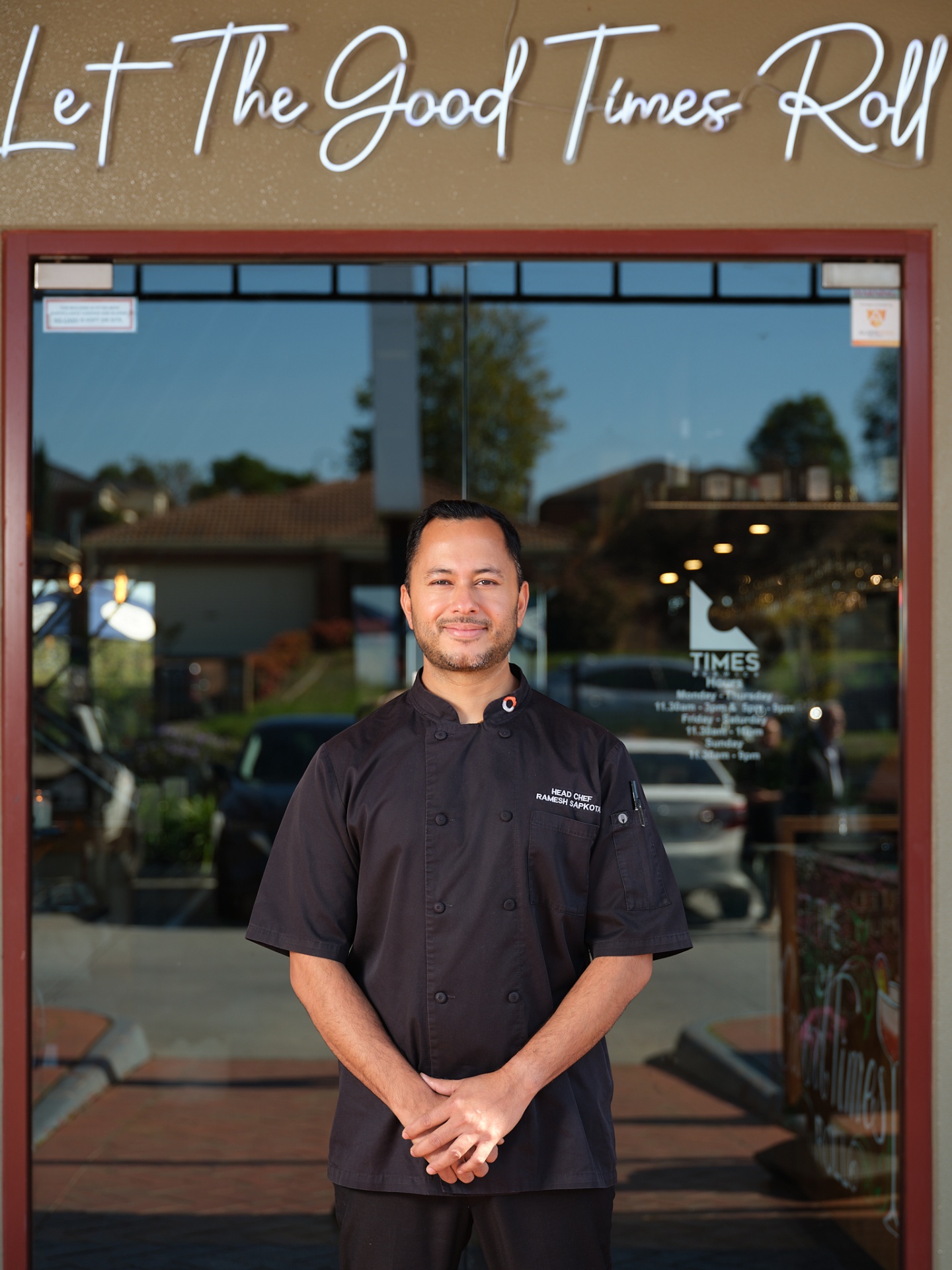
Chef Ramesh at Times Berwick, photographed for Tableside

4. Give past guests a reason to return

Not every post should chase strangers. Some of the most valuable work keeps people who already know you warm: a menu change, an upcoming event, a reason to bring friends, a reminder of the night they had last time. A regular is usually far cheaper to retain than a new guest is to acquire. Treat them like it.

A good content calendar has all four jobs in it. It does not need a new gimmick every day.

Organic and paid social should do different work

Organic is where you keep your current audience close. Regulars see what is on, staff and guests have something to share, and you build a library of content that actually represents the business.

Paid is where you give the right content reach. It introduces the venue to people in your catchment who do not follow you, brings back people who engaged with you before, and backs a specific push: an event, a menu launch, a quiet service.

The mistake I see constantly is treating paid as a boost button. Someone picks the post that got the most likes, puts $50 behind it and hopes. Paid works when it starts with a clear message, a defined audience and a landing page or booking path that answers the same question as the ad.

Say the campaign is built around a midweek set menu. The creative has to make that night feel appealing, the audience has to be people who can realistically get to you on a Wednesday, and the click has to land on the booking or menu page for that exact offer. If any one of those is off, you are paying for attention that has nowhere to go. I have watched venues spend thousands this way and conclude that “ads don’t work for us”. The ads were fine. The plumbing was broken.

For more on how we run the paid layer, see how Tableside approaches Meta advertising for hospitality venues.

Build a four-week restaurant social media plan

You do not need a 90-day content strategy. You need one month done properly, then another one that is slightly better. Here is how we structure it.

Week one: get clear on the reason to visit

Sit down with the venue team and look at the month ahead. Which services need help? What occasions are worth talking about? What is genuinely new or useful? Then pick up your phone and try to book a table through your own Instagram profile. If it takes more than three taps, or the menu is a PDF from last winter, fix that before you make any content. More posts on top of a broken booking path is just a bigger leak.

Week two: make the work

Plan one focused shoot around the stories you picked. Get the food, but do not stop there. Get the room, the team, the guests, the service, the small details that make the place yours. Write the paid and organic versions of the message on the same day so the campaign is not something you cobble together at 11pm on a Sunday.

Week three: publish, distribute and send people somewhere

Schedule the organic content, then put spend behind the pieces with a clear job. Keep the action simple: book a table, see the menu, enquire about the function room, join the list. One next step beats five competing links every time.

Week four: learn from the response

Review it with the venue, with the numbers open. Which messages drove booking clicks or enquiries? Which creative held attention? Which service, audience or offer did nothing? Keep what worked, bin what did not, and make next month sharper. A good plan improves because it is reviewed against real behaviour, not because it produced more posts.

Measure the movement toward a booking

Followers and likes are context. They are not the result. If I am paying a marketing team or an agency, I want to see whether social is moving people closer to a visit, and I want it in a form I could show my accountant.

What that looks like depends on your systems, but a monthly review should cover booking-link clicks, enquiries, ticket sales where relevant, traffic to the pages that matter, cost per meaningful action on paid, local reach, how video is holding attention, and the growth of audiences you can reach again.

If your booking platform or POS lets you, look at repeat visits too. A restaurant that can turn a first visit into a second has built something worth more than one that pays to find new people every month.

The point of the report is not the numbers. It is knowing what to do next. Reaching the right people but booking clicks are weak? Look at the message and the path after the click. Plenty of attention but no local response? Look at the audience and the reason to visit. People book once and do not come back? That is a guest experience and follow-up problem, and the next post will not fix it. Sometimes the honest answer from a marketing review is that the issue is on the floor, not on the feed.

What this looks like in practice

At Ellora St Kilda, the venue was better than its online presence suggested. We put the people and the personality of the place front and centre and tightened the story a guest sees before they book. The owner has the venue up about 40% year on year.

At Times Berwick, the owners came to us with a proper suburban steakhouse that was not getting the midweek trade it deserved. We shot new creative that actually looked like the venue, rebuilt the website around it, and ran campaigns around a midweek offer. From January to September 2026, compared with the same period in 2025, bookings are up 17%, covers up 14%, spend per head has moved from about $60 to $75, and the campaigns have driven 338 directly attributed bookings at around $28 each. Estimated revenue is up roughly 42%.
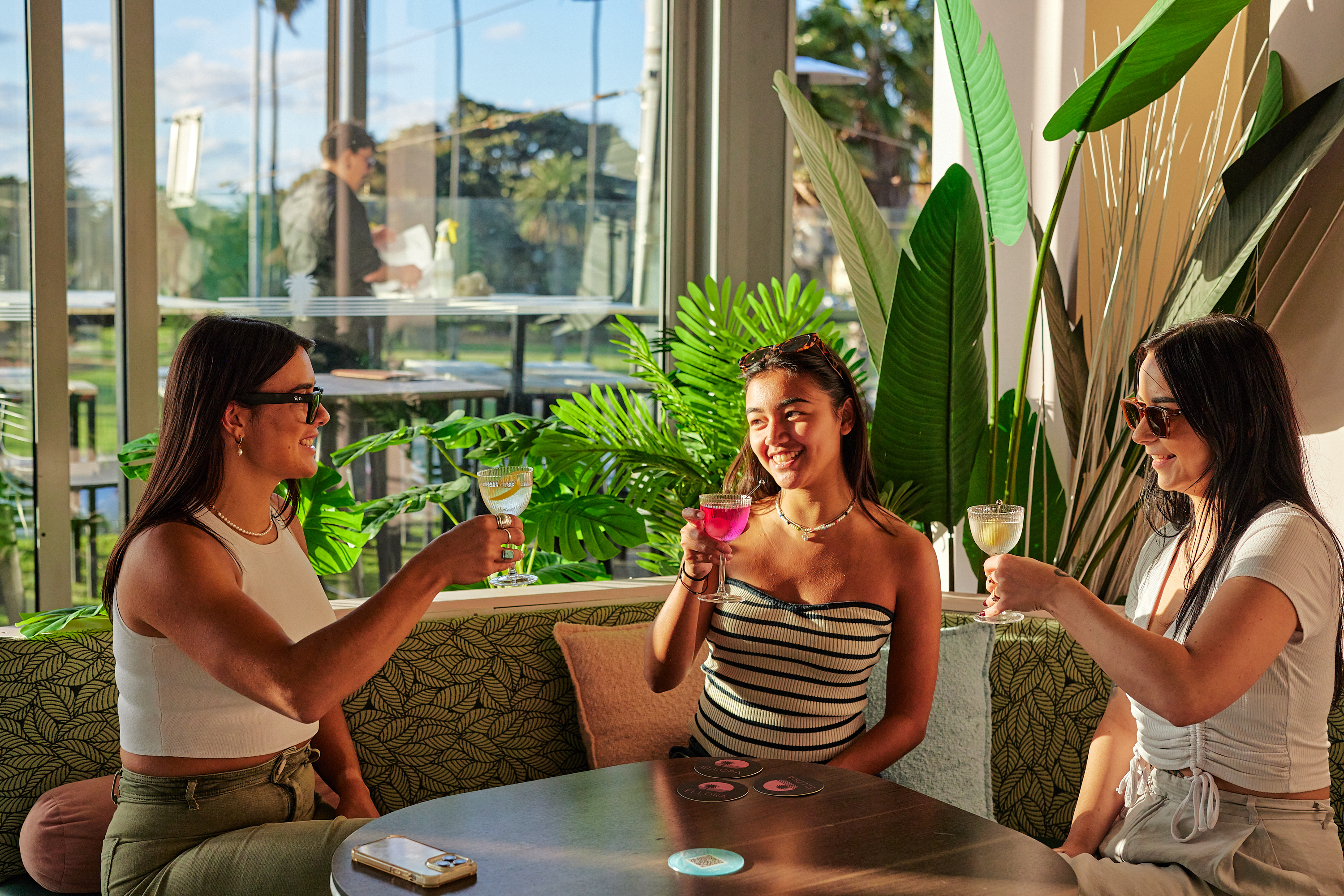
Guests toasting cocktails at Ellora St Kilda, photographed for Tableside

The details change venue to venue. The principle does not. Social works when the content, the audience, the offer and the next step all point at the same decision.

When a restaurant needs more than a content calendar

A good in-house person can run this if they have a clear story, reliable content, a sensible distribution budget and the time to actually review what is working. Plenty do.

Where we get called in is when those pieces have come apart: the venue is posting without a reason, there is no fresh creative, money is going into Meta without anyone knowing what it drives, or nobody has connected the content to the bookings. Usually the owner knows something is off. They just cannot see which part.

Tableside’s hospitality social media agency service brings strategy, venue content, paid creative and measurement into one system run by people who have worked in venues. If the problem is bigger than social, see the Restaurant Marketing Agency page or start a conversation.

Restaurant social media questions

How often should a restaurant post on social media?

As often as you can make something worth posting. For most venues that is a few strong feed posts a week plus regular stories. Daily content with nothing to say trains people to scroll past you. Start with the trading calendar and let that set the rhythm.

Should a restaurant use paid social media advertising?

Yes, if you have a clear audience, a real reason to visit and a simple next step. If you do not, fix those first. Organic keeps current guests warm. Paid is how the right people who do not follow you yet find you and act.

What should a restaurant measure on social media?

The things closest to a booking: booking clicks, enquiries, ticket sales, qualified website visits and cost per meaningful action. Followers and likes are context, not the headline.

Can social media actually lead to restaurant bookings?

It can, and we see it monthly. But only when the content is tied to a real guest decision: a reason to visit, content that makes it tangible, local distribution, and a booking path that works on a phone.

Make the content do a job

If your venue is better than its Instagram, the problem is rarely a lack of posts. It is that nobody has given the content a commercial job. Book a 20-minute growth call and we will tell you, straight, what social should be doing for your venue next.

FAQ

Frequently Asked Questions

Faq Arrow Icon
Who do you work with?

We work exclusively with hospitality venues and groups doing $3M-$1OM in revenue. Whether you're running a single high-performing venue or scaling multiple locations, we're built for operators who need serious marketing results, not just pretty posts

Faq Arrow Icon
How is Tableside different from hiring a marketing manager?

You don't get one person trying to do everything. You get a full team of strategists, content creators, photographers, videographers, and ad specialists who've actually run venues. Agency firepower with operator instincts.

Faq Arrow Icon
What's included in the Hospo Growth Engine?

Brand strategy, professional photo and video content, social media management, paid advertising, email and SMS campaigns, and monthly reporting tied to real revenue. Every campaign is built around our SEAT System, designed to fill seats and increase spend per head.

Faq Arrow Icon
How quickly will I see results?

Most venues see measurable improvements within 30 to 60 days. We move fast because we don't need to learn your industry from scratch. The biggest wins compound over time as your brand, content, and paid campaigns build momentum.

Faq Arrow Icon
Do you only work with Melbourne venues?

No. We work with venues across Australia. We have a national Creative Network of photographers and videographers on the ground, with strategy, ads, and account management handled by our core team.

Faq Arrow Icon
What if I already have someone doing my marketing?

A lot of venues come to us because what they've been doing isn't moving the needle. We'll show you where the gaps are and either replace the existing setup or work alongside your team to handle strategy, content, and paid media.